

+919953811238

Currently it only shows your basic business info. Start adding relevant business details such as description, images and products or services to gain your customers attention by using Boost 360 android app / iOS App / web portal.

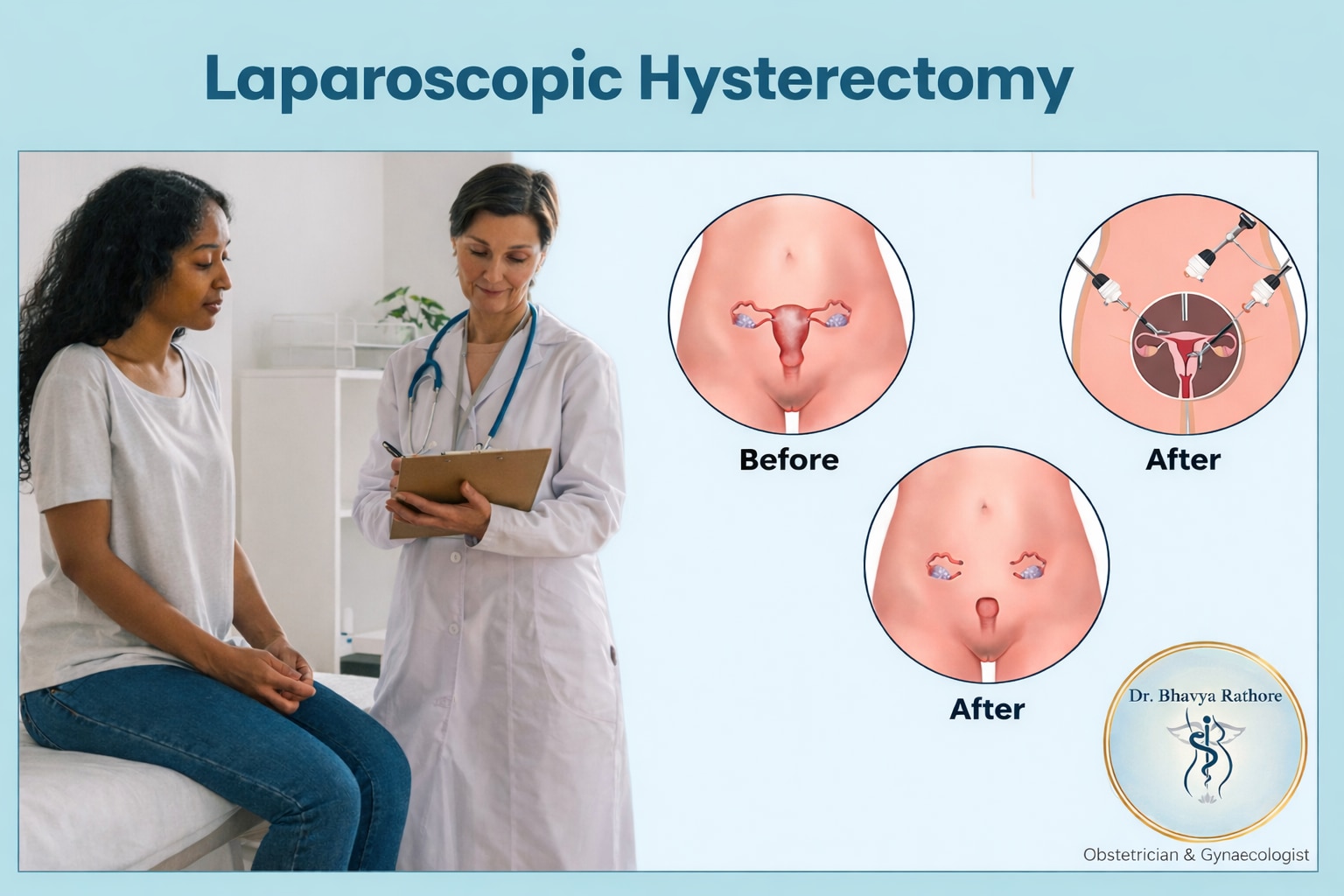
Laparoscopic Hysterectomy: Purpose, Steps, Recovery According to Singh and Govil, 2021, in India, 3.2% of women undergo hysterectomy. Uterus removal surgery through laparoscope provides a minimally invasive approach to avoid extensive incisions and pain. But how is this surgery performed? What expenses should one expect? Continue reading to get the answers about laparoscopic hysterectomy in detail! Procedure Name - Laparoscopic Hysterectomy Alternative Name - Uterus removal surgery, keyhole surgery Conditions Treated - Uterine fibroids, endometriosis Benefits of Procedure - Minimally invasive, quicker recovery time Treated By - Gynaecologists What is laparoscopic hysterectomy? Laparoscopic hysterectomy is a minimally invasive approach used to remove the uterus. The method utilises specialised instruments and a camera (laparoscope) inserted through small keyhole incisions. This allows surgeons to visualise the internal organs and precisely perform the surgery. Anatomy of the Uterus The uterus, also known as the womb, is an organ located in the pelvis between the bladder and rectum. It significantly contributes to reproduction and the development of a foetus during pregnancy. The major parts include: Fundus: The upper, rounded uterus region where the fallopian tubes attach and a fertilised egg implants during childbirth. Body: Also known as the corpus, this is the central portion between the fundus and the cervix. It is where the foetus develops during pregnancy. Cervix: The lower, narrow portion connecting to the vagina. It has a small opening referred to as cervical os, allowing menstrual blood to flow. Endometrium: The inner uterine lining that thickens and sheds during the menstrual cycle. This is where implantation of a fertilised egg occurs when a woman is pregnant. Conditions Treated with Laparoscopic Hysterectomy Laparoscopic hysterectomy is used to treat various gynaecological conditions affecting the uterus. It offers effective treatment options by accessing the organ through small incisions. Uterine Fibroids: Non-cancerous uterine growths that cause pelvic pain, heavy menstrual bleeding, and pressure symptoms. Endometriosis: A condition where the tissue lining the inside of the uterus grows outside of it. This leads to pelvic pain, irregular bleeding, and fertility issues. Uterine Prolapse: It refers to the uterus lowers into the vaginal canal due to the weakened pelvic floor muscles. It causes symptoms like pelvic pressure, urinary incontinence, and discomfort. Gynaecological Cancers: Uterus removal surgery may be recommended to treat uterine, cervical, or ovarian cancers, depending on the stage and extent of the disease. Who needs a laparoscopic hysterectomy? Uterus removal surgery is suitable for patients seeking relief from symptoms or those requiring treatment for conditions affecting the uterus. Physical indications for laparoscopic hysterectomy include: Heavy menstrual bleeding (menorrhagia) that does not respond to medication or other conservative treatments. Severe pelvic pain or pressure. Chronic pelvic inflammatory disease (PID) or recurrent pelvic infections that do not respond to antibiotics or other therapies. Complications related to childbirth, such as anaemia, postpartum haemorrhage, and perineal tear. Benefits of Laparoscopic Hysterectomy Laparoscopic hysterectomy has a high success rate of approximately 95.3%, making it a widely favoured surgical option for various gynaecological conditions. The primary benefits associated with this procedure are: Minimally invasive approach, resulting in smaller incisions and reduced risk of infection. Faster recovery time than traditional open surgery, allowing patients to resume their daily activities in 1 to 2 weeks. Less postoperative pain and reduced need for pain medication. Minimal scarring leads to improved cosmetic outcomes and increased patient satisfaction. Before and on the Day of Laparoscopic Hysterectomy Before a laparoscopic hysterectomy, patients undergo evaluations. This may include a medical history review and examinations. The entire process is described below. Before Surgery Before surgery, the patient must arrange for someone to take them home. This is because the effects of anaesthesia and pain medication can impair their ability to drive safely.
| Served by : | Dr. Bhavya Rathore |


