

Pregnancy & Antenatal Care
Antenatal care is the series of check-ups, scans and conversations that follow you from a positive pregnancy test to the day you meet your baby.
Read moreServices
Everything the practice offers, grouped by the stage of life it serves. Each page explains symptoms, evaluation and treatment options in plain language.
Pregnancy
Antenatal care, high-risk pregnancy, normal and painless delivery, postnatal recovery and pregnancy planning — with one obstetrician throughout.
Antenatal care is the series of check-ups, scans and conversations that follow you from a positive pregnancy test to the day you meet your baby.
Read moreA pregnancy is called high-risk when a condition in the mother, the baby or the pregnancy itself raises the chance of complications.
Read more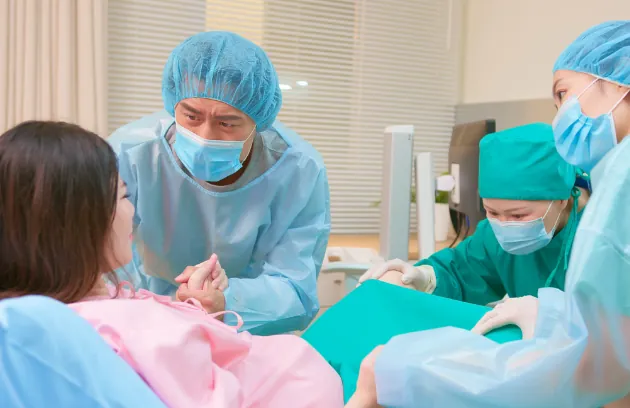
For a low-risk pregnancy, a normal vaginal delivery is usually the safest way to give birth — recovery is faster, hospital stay is shorter and future pregnancies are simpler.
Read more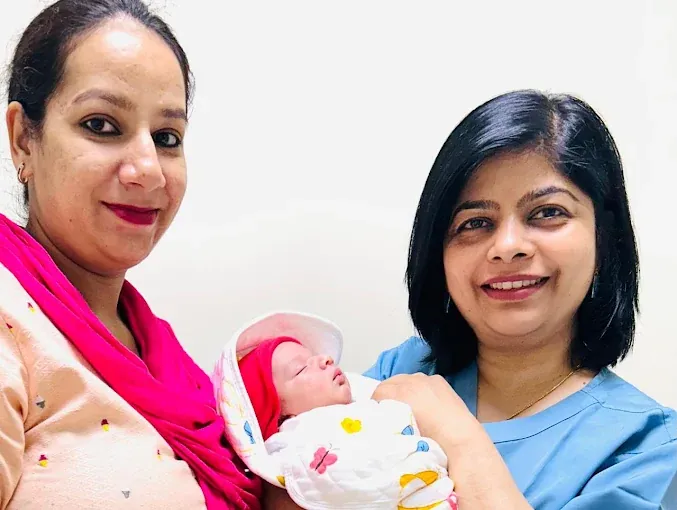
The six weeks after birth — the postnatal period — bring physical healing, hormonal shifts, breastfeeding and very little sleep.
Read more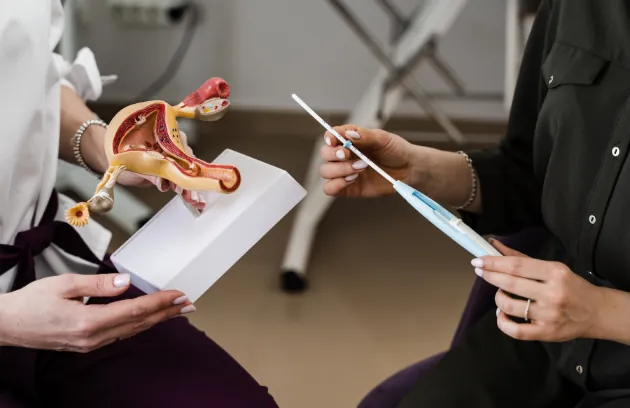
The healthiest pregnancies often begin before conception.
Read moreGynecology
Menstrual and hormonal disorders, fibroids, cysts, endometriosis, menopause, adolescent care, infections, and minimal-access surgery.
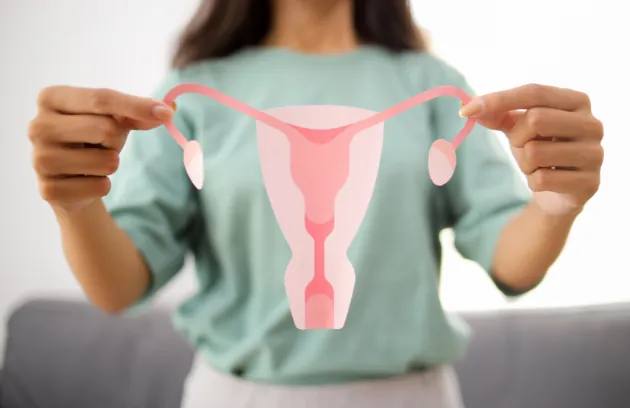
Polycystic ovary syndrome (PCOS, often called PCOD) is the most common hormonal condition in women of reproductive age, affecting roughly one in ten.
Read more
A normal cycle is 21–35 days long with bleeding for 2–7 days.
Read more
Uterine fibroids are non-cancerous growths of the muscle of the uterus.
Read moreOvarian cysts are fluid-filled sacs on or in the ovary.
Read moreEndometriosis is a condition in which tissue similar to the lining of the uterus grows outside it — on the ovaries, tubes, pelvic lining or bowel — causing inflammation, pain and scarring.
Read more
Menopause — twelve months without a period, usually between 45 and 55 — is a natural transition, not an illness.
Read more
The teenage years bring the first period, rapid hormonal change and, often, worries that a girl may not know how to voice.
Read moreAbnormal discharge, itching, burning or pelvic pain are among the most common reasons women see a gynecologist — and among the most easily treated.
Read more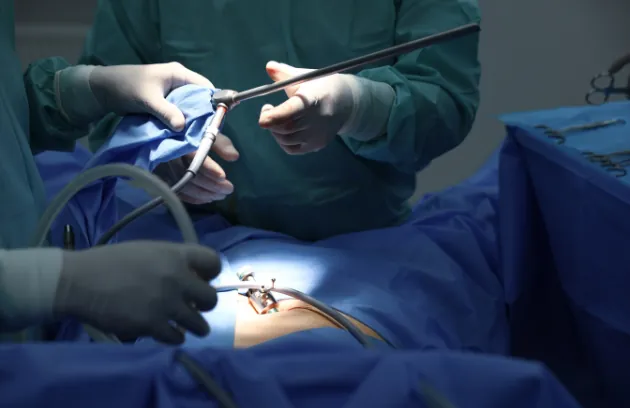
Laparoscopy — keyhole surgery through two to four incisions under a centimetre long — has replaced open surgery for most gynecological operations.
Read moreFertility
Honest evaluation of both partners and stepwise treatment — from cycle timing and ovulation induction to IUI and fertility-enhancing surgery.
Infertility is defined as not conceiving after 12 months of regular, unprotected intercourse — or after 6 months if the woman is over 35.
Read moreIntrauterine insemination (IUI) places washed, concentrated sperm directly into the uterus around the time of ovulation.
Read morePreventive
Annual check-ups, cervical screening, vaccination and contraception — the visits that keep small problems small.
A well-woman check-up is a preventive visit — not prompted by a problem — that reviews your reproductive and general health once a year.
Read moreCervical cancer is one of the few cancers that can be prevented almost entirely — through HPV vaccination and regular screening that finds pre-cancerous changes years before cancer develops.
Read moreChoosing contraception is a personal decision that depends on your health, your plans, your relationship and what you can comfortably use.
Read more
A handful of vaccines make a large difference to women's health: the HPV vaccine prevents most cervical cancers; Tdap and influenza vaccines in pregnancy protect newborns in their first vulnerable months; rubella and hepatitis B immunity before conception prevent serious problems for the baby.
Read moreAppointments
Book a consultation at the Indirapuram clinic. Same-week appointments are usually available — call, WhatsApp, or send a request online.
Gyan Khand 4, Indirapuram, Ghaziabad 201014 · Mon – Sat · 10:00 AM – 6:00 PM