

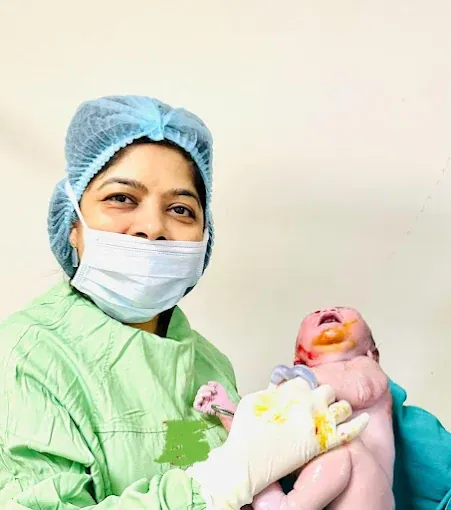
Being told your pregnancy is "high risk" can be alarming. In practice, the label simply means that something in your medical history, your previous pregnancies or this pregnancy raises the chance of complications enough that closer monitoring and planning are worthwhile. With that care, most high-risk pregnancies end with a healthy mother and baby.
Pre-existing medical conditions
- Diabetes (type 1 or 2)
- High blood pressure
- Thyroid disease, kidney disease, heart disease
- Autoimmune conditions such as lupus or antiphospholipid syndrome
- Epilepsy
- Obesity (BMI over 30) or significant underweight
- Blood disorders including thalassaemia and clotting disorders
Obstetric history
- Two or more previous miscarriages, or a previous stillbirth
- A previous preterm birth or a baby with growth restriction
- Previous pre-eclampsia or gestational diabetes
- A previous caesarean, particularly two or more
- Previous uterine surgery such as myomectomy
Factors in this pregnancy
- Age under 18 or over 35
- Twins or higher multiples
- Pregnancy after IVF or IUI
- Rh-negative blood group with antibodies
- Gestational diabetes or pregnancy-induced hypertension
- Placenta praevia or low-lying placenta
- Reduced amniotic fluid or growth restriction on scans
- Large fibroids
- Bleeding in pregnancy
Lifestyle factors
Smoking, alcohol, substance use and severe stress or lack of support all add risk and are addressed as part of care.
What high-risk care looks like
More frequent antenatal visits; targeted tests such as glucose tolerance tests, Doppler studies and serial growth scans; medication where needed (for example, low-dose aspirin to reduce pre-eclampsia risk, or insulin for diabetes); coordination with physicians or foetal medicine specialists; and a written plan for the timing and mode of delivery in a hospital with NICU support. Read more about high-risk pregnancy care with Dr. Bhavya Rathore.
What you can do
Attend every visit, monitor what you are asked to (blood pressure, sugars, baby's movements), report warning signs the same day, and ask questions — understanding the plan is part of the plan.
Have a question about this topic? Dr. Bhavya Rathore consults at her Indirapuram clinic (Gyan Khand 4) and at Cloudnine Hospital. Book a consultation or message the clinic on WhatsApp.
Related services
Keep reading
Medical disclaimer: This page is for general information and does not replace a consultation. It is not individual medical advice, and outcomes vary from person to person. If you have urgent symptoms — heavy bleeding, severe pain, fever, fainting or reduced baby movements — contact the clinic or go to the nearest emergency department immediately. Read the full disclaimer.