
Most women see a gynecologist for the first time when they are pregnant — and many never go otherwise. Yet a large share of gynecological problems are easiest to treat when they are caught early, and several important preventive steps (cervical screening, HPV vaccination, contraception advice) only happen if you make the appointment. Here is a practical guide to when a visit is worthwhile.
1. Your periods have changed
A normal cycle is 21–35 days, with bleeding for two to seven days. See a gynecologist if your cycles are consistently outside that range, if you have missed three periods and are not pregnant, if bleeding is heavy enough to soak a pad every hour, or if you bleed between periods or after intercourse. Most causes — thyroid changes, PCOS, fibroids, polyps — are treatable.
2. Period pain is running your life
Some cramping is normal. Pain that needs strong painkillers, keeps you off work or school, or worsens every year is not, and may point to endometriosis or adenomyosis. Read more in Is severe period pain normal?
3. You are planning a pregnancy
A preconception visit three months before trying lets you start folic acid, check immunity to rubella, review medications and address conditions such as thyroid disease or PCOS that affect conception and pregnancy.
4. You have a positive pregnancy test
Book by six to eight weeks. Early antenatal care confirms the pregnancy is in the right place, dates it accurately and begins the screening schedule.
5. You have been trying to conceive for a year
Or six months if you are over 35, or sooner if your periods are irregular. Fertility evaluation is straightforward and most causes are treatable.
6. Unusual discharge, itching or pain
Discharge that changes colour or smell, itching, burning, or pain during intercourse usually means an infection — common and easily treated, but worth diagnosing properly rather than self-treating repeatedly.
7. It has been more than three years since your last Pap smear
Cervical cancer is largely preventable through screening. From age 21–25, a Pap smear every three years (or an HPV test every five years from 30) is recommended even when you feel completely well.
8. A lump, pain or change in the breast
Most breast lumps are benign, but every new lump should be examined. Your gynecologist can assess it and arrange imaging.
9. You need contraception, or want to change it
There are more options than most people realise — including methods that also lighten heavy periods. A short contraception consultation matches the method to you.
10. Symptoms of perimenopause
Hot flushes, poor sleep, mood changes or unpredictable bleeding in your forties and fifties are common and treatable. Bleeding after twelve months without a period always needs evaluation. See menopause care.
11. A teenager with period problems
No period by 15, very heavy or painful periods, or puberty that seems early or late are reasons for an adolescent gynecology visit — usually without an internal examination.
12. It has simply been a while
An annual well-woman check-up keeps screening current and catches silent problems such as anaemia, high blood pressure and thyroid disease.
What to expect at the visit
A conversation first: your symptoms, cycles, medical history and what you want from the visit. An examination only if it is needed, with an explanation of what is being done and why. Tests are advised selectively. You should leave understanding what was found and what happens next.
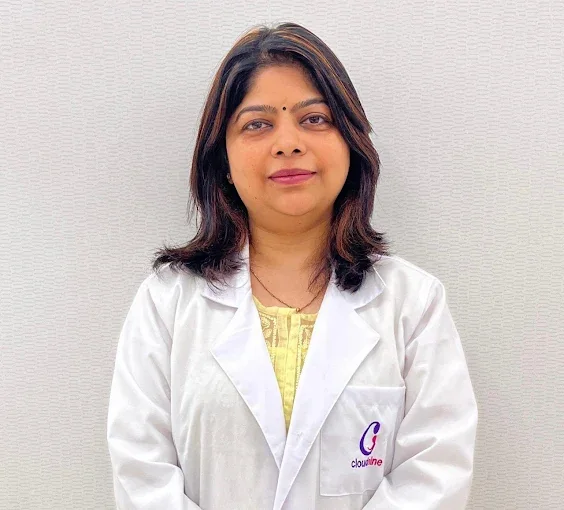
Have a question about this topic? Dr. Bhavya Rathore consults at her Indirapuram clinic (Gyan Khand 4) and at Cloudnine Hospital. Book a consultation or message the clinic on WhatsApp.
Related services
Keep reading
Medical disclaimer: This page is for general information and does not replace a consultation. It is not individual medical advice, and outcomes vary from person to person. If you have urgent symptoms — heavy bleeding, severe pain, fever, fainting or reduced baby movements — contact the clinic or go to the nearest emergency department immediately. Read the full disclaimer.